


Myanmar, Social Justice | 2024-07-15
Engaging Myanmar's Youth
Local Resource Centre (2017)
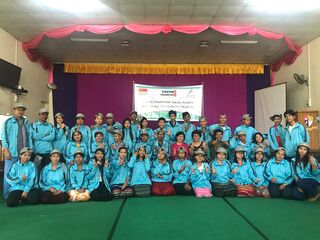
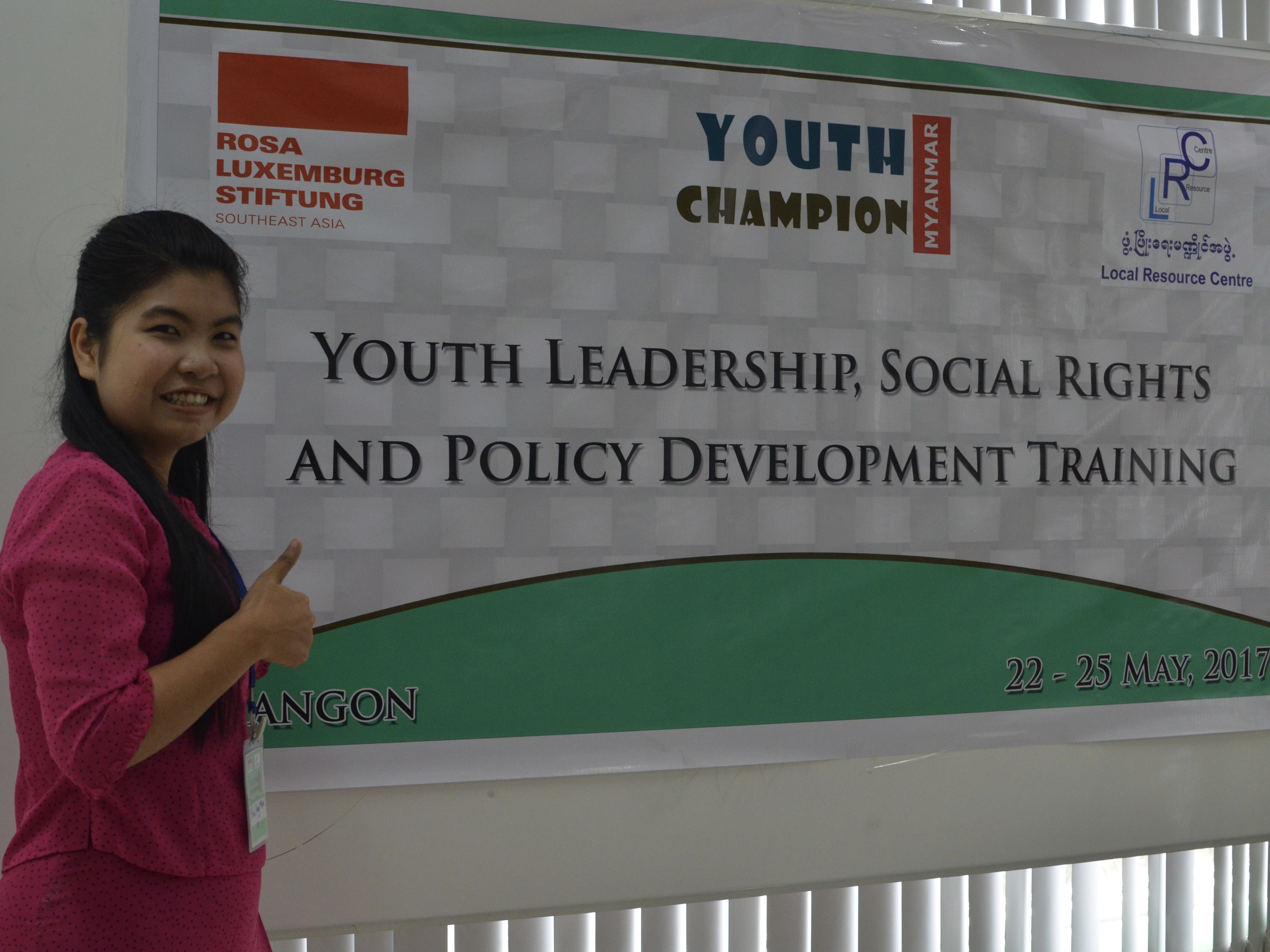
Participants of a workshop on youth leadership, social rights and policy development in May 2017
Myanmar’s youth has played a prominent role in the country’s political history. Under British rule, student boycotts were the driving force behind Myanmar’s anti-colonial movement. Their strikes resonated with public sentiment and spread throughout the country. After independence, the young generation continued to lead protests against the military regime, such as during the so-called 8888 uprising. Myanmar’s democratization in the early 2010s provided the youth with a long-awaited opportunity to expand their social and political rights. Therefore, the Rosa-Luxemburg-Stiftung (RLS) worked together with the Local Resource Centre (LRC) to empower adolescents in the emerging fields of advocacy work and policy development.
In 2017, LRC organized a series of trainings in the urban centers of Yangon and Mandalay, as well as in the ethnic minority-dominated states Shan and Mon. Over 160 local youth leaders took part in the four-day programs. They learned methods to advocate for social justice, affect policy changes and mobilize community members. Participants were also supported in passing on these skills and developing their own initiatives. Later in the year, youth leader representatives met in Yangon to review their activities and share experiences from their community outreach. Moreover, they joined an advocacy meeting with civil society organizations and members of parliament. The representatives discussed Myanmar’s youth policies and presented their own concerns and demands.
LRC also published a Burmese translation of “Beyond Development”. The book was written by the ‘Permanent Working Group on Alternatives to Development,’ based in the RLS office in Quito, Ecuador. The authors formulate important critiques of the concept’s ties to capitalist and colonial ways of thinking. They present different approaches from Latin America such as Buen Vivir, the plurinational state and the rights of nature. Myanmar has its own history of opposing Western-dominated institutions, such as the ‘national schools’ of the 1920s, which offered a grassroots alternative to the colonial education system. LRC’s book translation was thus distributed among youth leaders and civil society organizations to inspire their political work and strengthen dialogue on alternative paths forward.
Following the military coup in early 2021, Myanmar’s youth once again took to the streets in massive protests. The regime responded with a wave of violence that has displaced millions. Like most other civil society and non-governmental organizations, LRC was forced to cease operations. Today, much of Myanmar’s youth is caught up in the armed confrontation between the state and resistance groups.
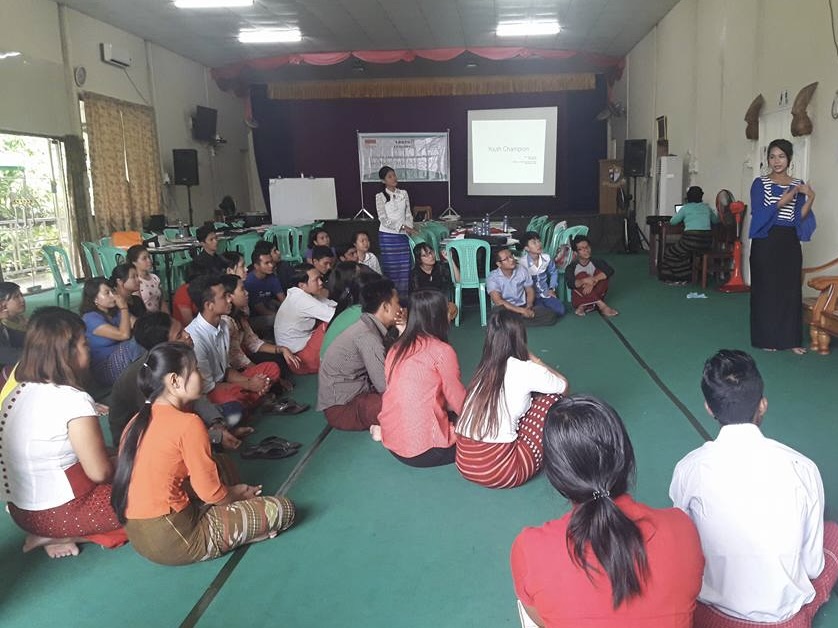
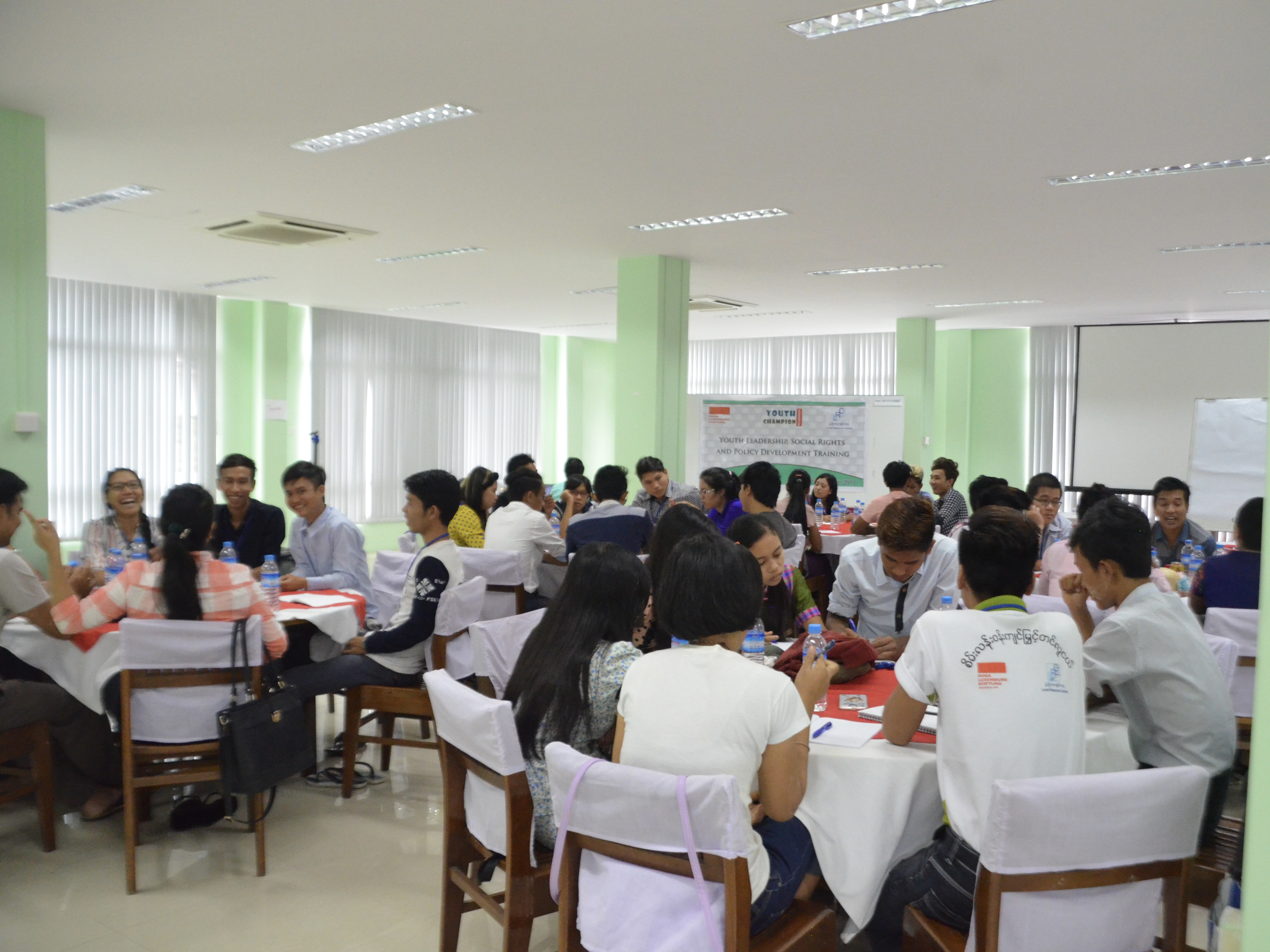
Local Resource Centre (LRC)
LRC was established in 2008 in response to the devastation caused by Cyclone Nargis. As an umbrella organization of several local and international NGOs, LRC provided humanitarian aid to affected communities. Following the 2010 general election, LRC shifted its focus on strengthening Myanmar’s civil society.